

Stepping into a new dental clinic for a comprehensive exam can feel a bit intimidating, especially if it has been a while since your last professional checkup. Knowing what lies ahead can significantly ease any anxiety and help you feel more in control of your oral health journey. A comprehensive dental visit is much more than a quick polish; it is a thorough evaluation designed to assess your entire oral ecosystem, catch potential issues early, and establish a personalized roadmap for your dental future.
Preparing for Your Appointment
Before you even sit in the dental chair, the preparation process begins. When you schedule your first comprehensive visit, the front desk team will typically ask you to complete several forms. These documents cover your medical history, current medications, dental insurance details, and any specific concerns or pain you might be experiencing.
It is vital to be completely transparent on your medical history forms. Conditions like diabetes, heart disease, pregnancy, or high blood pressure directly impact your oral health and influence the treatments your dentist can safely recommend. Bringing a list of your current medications and dosages ensures your dental team has a complete picture of your overall wellness. Arriving about fifteen minutes early gives you plenty of time to complete paperwork without feeling rushed.
The Warm Welcome and Initial Consultation
Upon arrival, you will be greeted by the receptionist and asked to take a seat in the waiting area for a brief moment. Once your dental assistant calls your name, you will be escorted back to the treatment room. This initial phase is designed to put you at ease.
Your dental assistant or hygienist will seat you, adjust the chair, and place a protective bib across your chest. Before any clinical examinations begin, your dentist will sit down with you for a conversation. This is your opportunity to share your dental goals, discuss any cosmetic changes you might want, or mention acute sensitivities and fears. Building this dialogue creates a foundation of trust and helps the dentist tailor the upcoming examination to your unique comfort level.
Comprehensive Clinical Examination
The core of your visit is the physical assessment. Your dentist and hygienist work systematically to evaluate every component of your mouth. This thorough review goes far beyond counting your teeth.
-
Extraoral Examination: The dentist gently feels your jaw joints, neck, and lymph nodes to check for lumps, tenderness, swelling, or signs of temporomandibular joint dysfunction.
-
Soft Tissue Evaluation: Your tongue, cheeks, floor of the mouth, and the roof of your mouth are inspected closely. Dentists screen these areas carefully for early signs of oral cancer, lesions, or irritation.
-
Periodontal Assessment: Using a specialized blunt-tipped instrument called a periodontal probe, the hygienist measures the depth of the spaces between your teeth and gums. Healthy gums generally have shallow pockets, while deeper measurements can indicate gum disease or inflammation.
-
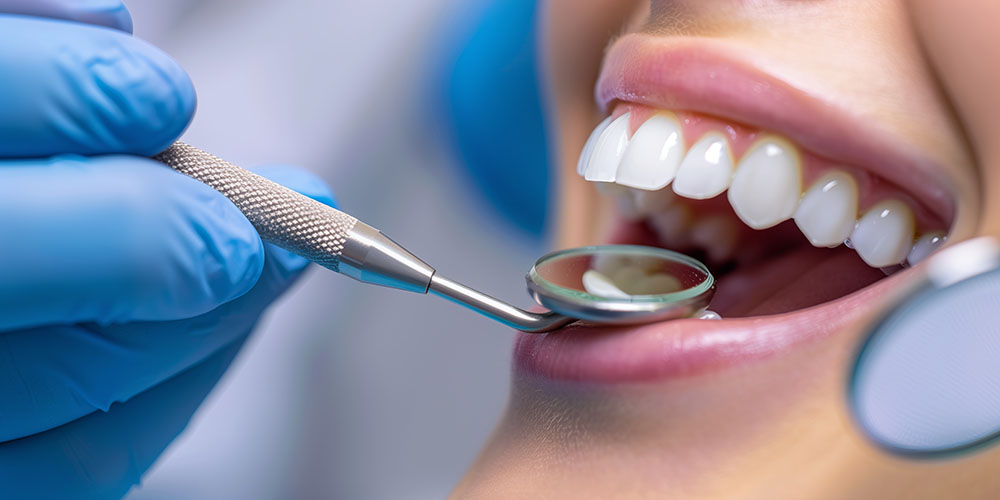
Hard Tissue Inspection: Every single tooth is examined individually using a small mirror and an explorer tool. The dentist looks for structural cracks, existing fillings that may be failing, tooth wear from grinding, and signs of active decay.
Diagnostic Dental Imaging
To see what happens beneath the surface, diagnostic imaging is usually required during a first comprehensive visit. Dental X-rays provide a clear view of bone levels, tooth roots, and the areas between teeth where visual examination cannot reach.
If the clinic utilizes modern technology, you might experience digital radiography. These systems emit a fraction of the radiation of older film methods and produce instant, high-resolution images on a computer screen. The dentist may take bitewing X-rays to check for cavities between back teeth, periapical X-rays to view the entire root structure, or a panoramic image to capture your entire upper and lower jaw in one sweeping shot. These images are essential for catching hidden problems before they evolve into painful emergencies.
Professional Dental Cleaning
Assuming your gums are relatively healthy and your dentist gives the green light, a professional dental cleaning, known as prophylaxis, is typically performed during this first appointment. If you have advanced gum disease, the clinician may schedule a separate, more intensive cleaning appointment.
-
Scaling: The hygienist uses specialized metal instruments or an ultrasonic scaler to gently vibrate and scrape away hardened plaque, known as calculus or tartar, from around the gumline and between teeth.
-
Polishing: Once the calculus is removed, your teeth are polished using a rotating rubber cup and a gritty prophylaxis paste. This process removes superficial stains and leaves your enamel feeling remarkably smooth.
-
Flossing: The hygienist flosses between all your teeth to flush away remaining paste debris and checks for any tight contact points or rough edges on existing restorations.
-
Fluoride Treatment: Many clinics conclude the cleaning with a topical fluoride varnish painted onto the teeth to remineralize enamel and provide temporary protection against future decay.
Treatment Planning and Discussion
After the cleaning and examination are complete, your dentist will sit down with you to discuss their findings. They will explain what went well, highlight areas requiring attention, and review any X-rays or intraoral camera photographs taken during the visit.
If dental work is needed, your dentist will present a clear, prioritized treatment plan. This plan typically categorizes procedures into urgent needs, restorative necessities, and elective cosmetic options. You will have the opportunity to ask questions about timelines, costs, and alternative options. A great dental team will never pressure you into unnecessary procedures, instead focusing on collaborative education so you can make informed decisions about your smile.
Scheduling Follow-Up Care
Before you leave the clinic, you will stop by the front desk to finalize your visit. The administrative staff will help you schedule your next routine checkup, which is typically recommended every six months. If you require follow-up dental work, they will book those specific appointments as well.
You will also review your insurance coverage or payment options at this time. Understanding your out-of-pocket costs ensures complete transparency and prevents any financial surprises. Walking out of the clinic, you will leave with a clean smile, a clear understanding of your oral health status, and a structured plan for the future.
Frequently Asked Questions
How long does a first comprehensive dental visit take?
A first comprehensive appointment usually takes between sixty to ninety minutes. This extended timeframe allows the dental team to gather thorough medical histories, take necessary diagnostic images, perform a complete examination, and conduct a professional cleaning without rushing.
Will the dental examination hurt?
A standard comprehensive examination and cleaning are generally painless. You might feel mild pressure when the hygienist checks your gum pocket depths or scrapes away tartar, but it should not cause sharp pain. If you experience dental anxiety or sensitive teeth, inform the staff beforehand so they can accommodate your needs.
What should I bring to my first appointment?
You should bring a valid photo identification card, your dental insurance card, a list of your current medications, and any contact information for previous dental offices if you need your past records transferred. Filling out online paperwork ahead of time can also streamline your arrival.
Are dental X-rays safe?
Yes, modern dental X-rays are exceptionally safe and emit very low levels of radiation. Dental clinics utilize digital radiography and protective lead aprons or thyroid collars to minimize exposure, making the diagnostic benefits far outweigh the minimal risks.
How often should I schedule comprehensive dental exams?
Most dental professionals recommend scheduling a comprehensive examination and professional cleaning every six months. However, individuals with specific risk factors, such as a history of periodontal disease, heavy smoking, or high susceptibility to cavities, may benefit from visits every three to four months.
What if the dentist finds a cavity during my visit?
If a cavity is detected, the dentist will discuss it with you during the treatment planning phase. Depending on the size of the cavity and the schedule of the clinic, small fillings can sometimes be treated on the same day, though larger restorations usually require booking a dedicated follow-up appointment.
