

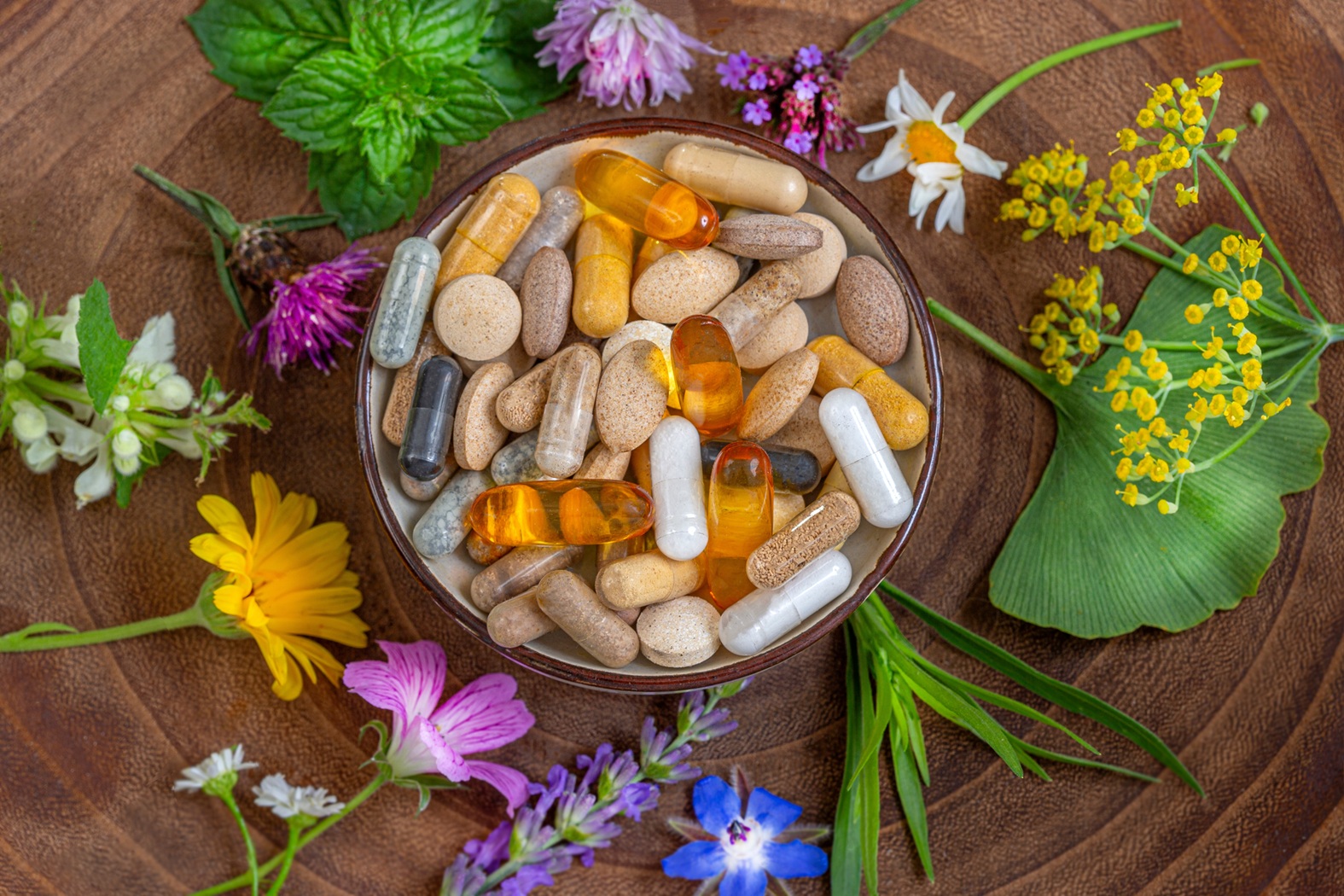
When navigating health and wellness, individuals frequently face a choice between natural remedies and modern pharmaceutical drugs. Whether managing chronic conditions, boosting immunity, or seeking relief from everyday ailments, understanding the fundamental differences between herbal supplements and prescription medications is critical. While both options aim to restore health and alleviate symptoms, they originate from different scientific traditions, undergo distinct regulatory processes, and interact with the human body in unique ways. Evaluating these factors helps patients make informed decisions alongside their healthcare providers.
Origins and Composition
The most immediate difference between herbal supplements and pharmaceuticals lies in their origin and chemical complexity. Herbal supplements are derived from plant materials, including roots, leaves, bark, seeds, and flowers. Because they come directly from nature, a single botanical product can contain hundreds of distinct chemical compounds working simultaneously. This natural complexity means that the active ingredients can vary depending on soil quality, harvesting season, and geographic location.
Pharmaceutical drugs, by contrast, are typically synthesized in a laboratory. They are usually isolated, highly purified single compounds designed to target a specific biological pathway with surgical precision. Even when pharmaceuticals are originally derived from natural sources, such as aspirin originating from willow bark, they are refined into exact molecular structures to ensure absolute consistency in every dose.
The Regulatory Framework and Quality Control
The pathways that bring herbal supplements and pharmaceuticals to the consumer market differ drastically, particularly regarding safety testing and government oversight. Pharmaceuticals undergo rigorous, multi-year clinical trials involving thousands of human subjects to prove safety, efficacy, and precise dosing before they can receive regulatory approval. Every batch manufactured is held to strict purity and potency standards.
Herbal supplements are generally regulated as food products rather than drugs in many jurisdictions, including the United States. This means manufacturers are not required to prove efficacy through clinical trials before selling their products. While reputable supplement makers adhere to good manufacturing practices, quality, potency, and purity can vary widely across brands, and occasional contamination or mislabeled ingredients remain documented industry concerns.
Mechanisms of Action and Body Impact
Pharmaceutical drugs are designed for targeted potency. They often block specific receptors, inhibit particular enzymes, or alter precise cellular signaling pathways. This specificity allows pharmaceuticals to produce rapid and powerful therapeutic effects, which is essential when managing acute emergencies, severe infections, or advanced chronic diseases. However, this high potency also increases the likelihood of side effects if the drug impacts secondary pathways in the body.
Herbal supplements typically offer a more gentle, holistic approach. Because they contain complex blends of natural compounds, their effects are often cumulative and systemic rather than immediate and acute. Many herbs work by supporting the body’s natural homeostatic mechanisms, modulating inflammation, or providing foundational micronutrients. While this gentleness reduces the risk of sudden toxicity, it also means supplements may take weeks of consistent use to produce noticeable results.
Potential for Interactions and Adverse Effects
A common misconception is that because herbal supplements are natural, they are entirely safe and free of side effects. This is medically incorrect. Active botanical compounds are biologically powerful and can interact heavily with other substances, including prescription drugs.
-
Blood Thinning Complications: Popular herbs like garlic, ginkgo biloba, and St. John’s wort can alter bleeding times or interfere with prescription anticoagulants, increasing hemorrhage risks during surgery.
-
Enzyme Induction: St. John’s wort is well known for inducing liver enzymes that metabolize medications, which can render birth control pills or antidepressants ineffective.
-
Additive Side Effects: Combining sedating herbs like valerian root with prescription sleep aids or anxiety medications can lead to excessive drowsiness and respiratory depression.
Disclosing all herbal supplement use to your physician is essential to prevent dangerous, unintended pharmacological conflicts.
Cost, Accessibility, and Consumer Choice
Accessibility and cost often drive consumer preference in wellness care. Herbal supplements are widely available over the counter at grocery stores, pharmacies, and online retailers without requiring a doctor visit or a prescription. This accessibility empowers individuals to take charge of their daily wellness routines, though it also increases the risk of self-diagnosing complex medical conditions without professional guidance.
Pharmaceutical treatments typically require a physician consultation, diagnostic testing, and a prescription. While this adds steps to the process, it ensures professional oversight and correct dosing. Furthermore, health insurance policies frequently cover prescription medications, whereas herbal supplements are almost always paid for entirely out of pocket, which can influence long-term affordability.
Frequently Asked Questions
Can herbal supplements completely replace prescription medications for chronic illnesses?
No. Herbal supplements should never be used as a direct substitute for life-saving prescription medications, such as insulin for diabetes, antihypertensives for severe high blood pressure, or chemotherapeutic drugs. Doing so can result in severe, life-threatening health complications.
How can a consumer ensure the quality of an herbal supplement?
Consumers should look for third-party testing seals on supplement labels, such as USP, NSF International, or ConsumerLab. These independent organizations verify that the product contains the ingredients listed on the label in the stated amounts and is free from harmful contaminants like heavy metals.
Are standardized extracts in herbal supplements better than raw powders?
Standardized extracts guarantee that a specific percentage of a key active compound is present in every dose, providing greater consistency than raw herbal powders. However, some holistic practitioners argue that whole-plant powders preserve the natural synergy of all constituents within the plant.
Why do some doctors remain skeptical about recommending herbal supplements?
Many physicians express skepticism due to the lack of standardized large-scale clinical trials, variable product quality between different manufacturing brands, and the potential for unpredictable interactions with conventional prescription drugs.
Can pregnant or nursing women safely take herbal supplements?
Pregnant and nursing women should exercise extreme caution with herbal supplements. Many botanicals have not been adequately tested for safety during pregnancy, and certain herbs can stimulate uterine contractions or pass into breast milk, potentially harming the developing infant.
What should I do if I experience an adverse reaction to a supplement?
If you experience an adverse reaction, stop taking the supplement immediately. Contact your healthcare provider to report the symptoms, especially if you are taking other medications, and consider reporting the adverse event to the relevant food and drug safety authority.
