

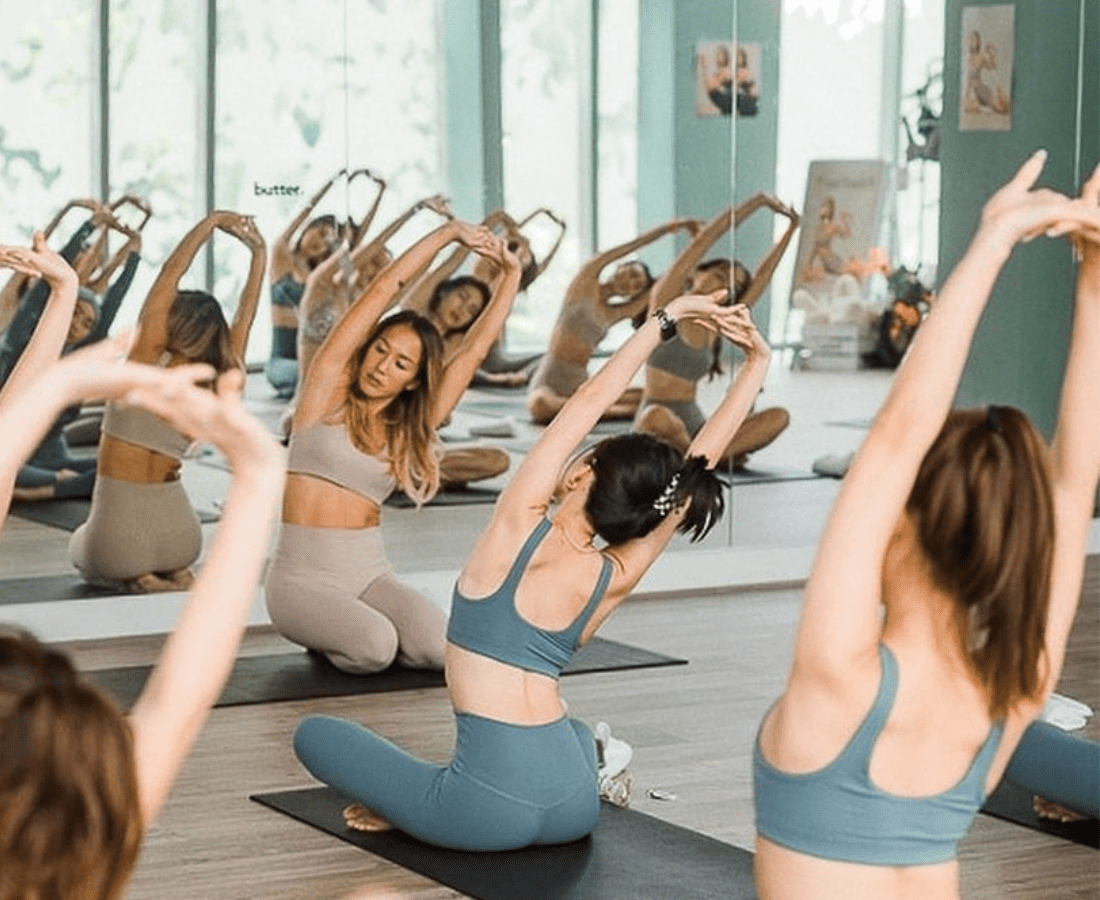
Understanding the New Wave of Breath Science in Singapore
Breathwork has always been a central element of yoga, but in recent years, practitioners in Singapore have begun to explore it through a more scientific lens. Rather than treating breathing as a passive part of a class, the community is embracing a deeper understanding of how breath patterns influence the autonomic nervous system, heart rate variability, and overall cardiovascular stability. These shifts have changed the way many people approach their long-term well-being, especially in a fast-moving city where stress loads can accumulate without warning.
During this process of change, more individuals searching for structured, research-informed wellness methods have naturally gravitated towards practices like yoga Singapore, where breath regulation is almost treated like a discipline of its own. This growing interest is not just a trend. It reflects a stronger desire to understand how breath variability training, when paired with yoga, can create measurable improvements in physical and emotional resilience.
Why Cardiovascular Stability Matters in Daily Singapore Life
Singapore is a city with a high pace, tight schedules, and environments that often demand intense focus. Even if someone maintains a generally healthy lifestyle, the constant back-and-forth between work, public transport, air-conditioned spaces, and humid outdoors can influence how the body regulates itself. Cardiovascular stability is not only about preventing long-term disease. It is also about supporting good circulation, maintaining a healthy stress response, preventing burnout, and ensuring that the body shifts smoothly between energetic and restful states.
Many individuals notice issues such as:
-
A racing heartbeat during mild stress
-
Trouble slowing down after a long workday
-
Feeling mentally scattered even without physical exertion
-
Shallow breathing during concentration-heavy tasks
These might seem like everyday concerns, but over time, they influence cardiovascular efficiency. Breath variability training helps regulate these responses by activating the parasympathetic nervous system and improving adaptability through controlled breathing cycles.
The Science Behind Breath Variability Training
Breath variability refers to intentional shifts in breathing patterns that train the cardiovascular system to adjust more efficiently. This is closely related to Heart Rate Variability, often called HRV, which measures how well the body adapts to stress. A higher HRV usually indicates a more flexible, resilient system. Yoga practitioners in Singapore are becoming increasingly aware of these principles, which have been studied across various health and performance sciences.
Breath variability training often includes:
-
Prolonged exhalation practices to regulate vagus nerve activity
-
Rhythmic breathing patterns that create a predictable cardiac response
-
Stimulating diaphragmatic movement to support circulation
-
Using short breath holds to build better tolerance to stress
-
Alternating slow and moderate breathing cycles to build adaptability
These methods teach the cardiovascular system to adjust smoothly, much like strength training teaches muscles to adapt to new loads.
Why Singapore Practitioners Respond So Well to These Methods
Singaporeans often live with structured routines, precise work timelines, and a culture that values productivity. These factors tend to heighten sympathetic nervous system activity. Breath variability techniques create an accessible way to counterbalance this without needing major lifestyle changes. They can be practised at home, during breaks, or inside a yoga class where trained teachers guide the process.
Several factors make these techniques particularly effective in Singapore:
-
Indoor environments with constant air-conditioning influence breathing depth
-
Humidity outdoors can encourage shallower breaths
-
High urban density creates overstimulation that impacts respiratory rhythm
-
Long commuting times reduce natural breath awareness
For these reasons, breathwork becomes an effective way to reset the body quickly. Instead of relying only on rest, practitioners use controlled breathing to shift their physiological state intentionally.
Integrating Breath Variability into Yoga Practice
Within a yoga class, breath variability training is woven seamlessly into movement sequences. It is not just a warm-up or cool-down segment. It becomes the thread that connects each transition. Many practitioners discover that once they learn how breath shapes movement, they can access poses with less tension and more clarity.
Movements in a typical session may include:
-
Slow transitions that lengthen exhalation
-
Poses held with stable breathing to improve vagal tone
-
Gentle backbends paired with deep inhalations
-
Seated forward folds that emphasise grounded, softening breaths
-
Standing balances supported by rhythmic breath pacing
This integrated approach ensures that cardiovascular benefits develop naturally over time rather than through forceful effort.
How Breath Variability Training Strengthens Cardiovascular Stability
Breath variability practices influence several physiological systems at once. When these systems adapt positively, overall cardiovascular stability improves.
Activation of the Vagus Nerve
The vagus nerve helps regulate heart rate, digestion, and stress response. Lengthening the exhalation activates this nerve, helping reduce rapid heartbeat and lowering overall arousal in the body.
Balanced Autonomic Nervous System
Breath training helps balance the sympathetic and parasympathetic systems. This prevents the body from staying stuck in an activated or overly fatigued state.
Better Oxygen Utilisation
Controlled breathing encourages deeper, more efficient oxygen intake, supporting cardiovascular performance without strain.
Improved Heart Rate Variability
Increased HRV indicates resilience. Breath variability exercises directly influence this metric, allowing the body to shift smoothly between states of alertness and rest.
Reduced Blood Pressure Fluctuations
Regular breath practice stabilises systolic and diastolic pressure by improving circulatory flow and reducing tension patterns.
How Singapore Residents Apply These Techniques in Real Life
People often assume breathwork benefits only appear during a class, but practitioners across Singapore apply these methods throughout their day. Busy professionals use slower exhalation cycles during morning commutes, students practise grounding breaths before exams, and parents integrate calming breath patterns before bed.
Common real-life applications include:
-
Slowing down after meetings
-
Calming nerves during presentations
-
Staying steady during long commutes
-
Resetting the mind during stressful interactions
-
Supporting deeper sleep without medication
This adaptability is one of the main reasons breath variability training has gained such strong momentum in the local yoga community.
Why Long-Term Practitioners Notice Major Improvements
Cardiovascular stability takes time to build, much like muscle strength. Regular breath variability practice reinforces the heart’s ability to adapt to different internal and external conditions. Many long-term practitioners notice a shift in how they respond to stress. Their breathing becomes steadier, their heartbeat remains calm during pressure, and they recover faster after demanding tasks.
Physiological changes often reported include:
-
Greater calmness during peak work periods
-
Fewer episodes of rapid heart rate
-
Better recovery after workouts or long days
-
Higher morning energy levels
-
Noticeable improvement in clarity and concentration
These changes create a more stable cardiovascular foundation, which supports better mental and emotional well-being.
The Role of Teachers and Studios in Shaping Breath Training
A key factor behind the success of breath variability techniques in Singapore is the guidance provided by experienced instructors. They introduce patterns gradually, ensuring students build comfort before moving into more advanced breath cycles. They also emphasise safety by reminding practitioners not to force breath holds or push beyond their natural capacity.
Some studios, such as Yoga Edition, adopt a structured approach to breathwork by integrating it into various class styles rather than treating it as a separate discipline. This makes advanced breath training accessible to many levels of practitioners.
Combining Breath Variability with Mindfulness
Mindfulness plays an important role in shaping awareness of breath. When practitioners learn to observe how breath changes during stress, fatigue, or movement, they build a stronger internal connection to their cardiovascular patterns. This awareness becomes a foundation that allows breath variability techniques to work more effectively.
Mindfulness practices that complement breath training include:
-
Noticing breath length during daily routines
-
Tracking tension spots in the body
-
Observing emotional shifts without judgement
-
Engaging senses during breath cycles
-
Practising stillness between transitions
Together, mindfulness and breath variability form a powerful combination for cardiovascular resilience.
How Beginners and Advanced Practitioners Benefit Differently
While the goal is the same for everyone, the way benefits appear varies by experience level.
Beginners often notice:
-
More calmness during breathwork
-
Reduced anxiety during transitions
-
Better posture due to better diaphragmatic engagement
Advanced practitioners often notice:
-
Improved cardiovascular efficiency during physically demanding flows
-
Deeper emotional clarity
-
More consistent breath rhythm even during stress
This layered growth is one reason breath variability training remains relevant for many years of practice.
FAQs About Breath Variability Training and Cardiovascular Stability
Q1. How long does it take to see improvements in cardiovascular stability through breathwork?
Most people notice small shifts within a few weeks if they practise consistently. Greater cardiovascular changes, such as improved HRV and slower resting heart rate, typically appear after a few months of regular breath-focused yoga sessions.
Q2. Can breath variability training help someone who experiences sudden stress spikes?
Yes. Techniques like prolonged exhalation and rhythmic breath pacing help stabilise the heartbeat during sudden stress. Many people in Singapore use these methods during work-related pressure or unexpected challenges.
Q3. Do I need specialised equipment to practise breath variability techniques at home?
No equipment is required. You only need a quiet space, comfortable clothing, and a few minutes of focus. Some people choose to use soft lighting or calming scents, but these are optional.
Q4. Is breath variability suitable for people who are not flexible or physically active?
Yes. These techniques rely on breath control rather than physical strain. They are accessible to people of all ages and fitness levels.
Q5. Can these breathing methods support better sleep quality?
Absolutely. Controlled breath cycles help lower heart rate and calm the mind before bedtime. Many practitioners report deeper sleep and fewer interruptions at night.
