

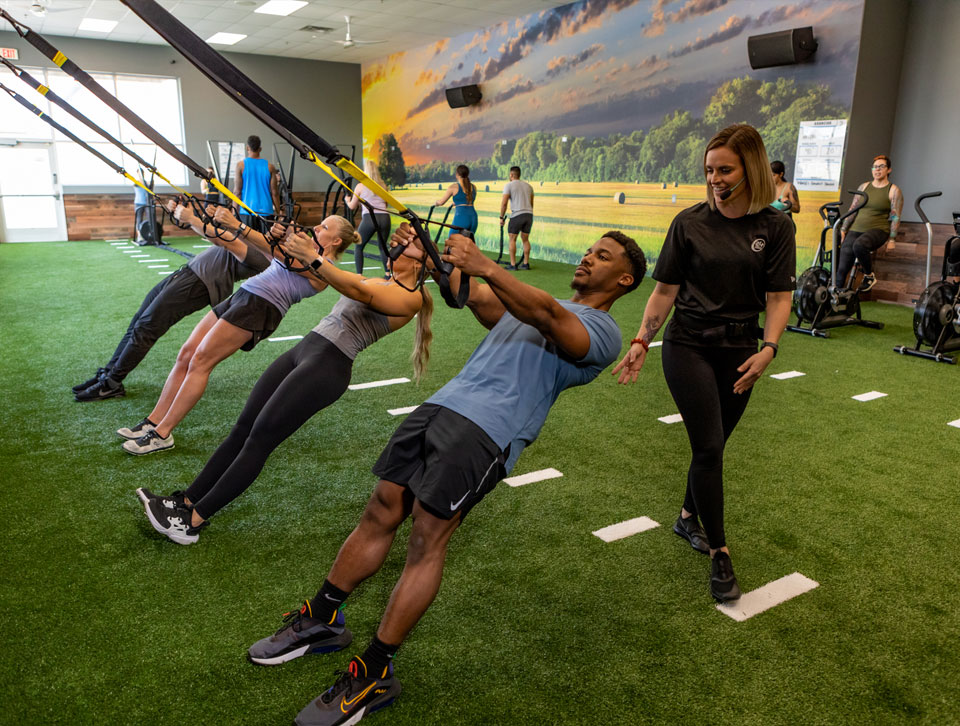
A fitness trainer plays a pivotal role in guiding individuals toward achieving their health and wellness goals. With the growing awareness of the benefits of physical activity, fitness trainers have become essential partners in developing personalized exercise programs, monitoring progress, and providing motivation. For many, having a fitness trainer is not just about exercise but also about adopting a sustainable lifestyle that balances nutrition, mental health, and physical performance. The keyword “fitness trainer” is central to understanding how these professionals impact both short-term fitness results and long-term health outcomes.
Understanding the Role of a Fitness Trainer
A fitness trainer, sometimes referred to as a personal trainer or strength and conditioning coach, is a certified professional skilled in designing and implementing exercise programs tailored to individual needs. These programs are based on scientific principles, client goals, and health status. Unlike generic workout plans, a fitness trainer assesses factors such as body composition, mobility, cardiovascular fitness, and lifestyle habits before recommending exercises.
Key Responsibilities of a Fitness Trainer
- Personalized Workout Planning: Creating exercise routines suited to a client’s fitness level, objectives, and medical considerations.
- Monitoring Progress: Tracking improvements in strength, endurance, flexibility, and body composition.
- Providing Motivation and Accountability: Encouraging clients to stay committed and offering guidance to overcome plateaus.
- Injury Prevention and Rehabilitation: Teaching proper techniques, correcting form, and designing programs for clients recovering from injuries.
- Education on Lifestyle Choices: Advising clients on nutrition, sleep, stress management, and recovery strategies.
Types of Fitness Trainers
Fitness trainers often specialize in different areas depending on their training, certifications, and client needs. Understanding these specializations can help individuals choose the most suitable trainer for their goals.
Personal Trainers
Personal trainers work one-on-one with clients to design individualized workout programs. They focus on improving overall fitness, strength, and endurance while ensuring exercises are performed safely. Many personal trainers also offer nutritional guidance and lifestyle coaching to complement physical training.
Benefits of Personal Trainers:
- Customized exercise programs
- Close supervision for correct technique
- Personalized feedback and encouragement
Strength and Conditioning Coaches
These trainers typically work with athletes or individuals looking to improve performance in a specific sport. Their programs emphasize functional strength, explosive power, agility, and endurance. Strength and conditioning coaches often collaborate with sports teams, schools, and professional athletes.
Key Focus Areas:
- Performance enhancement
- Injury prevention specific to sport
- Periodized training programs for peak performance
Group Fitness Instructors
Group fitness instructors lead multiple participants in exercise classes such as HIIT, spin, yoga, or Pilates. Their role is to create a motivating group environment while ensuring participants perform exercises safely. Group classes are ideal for those seeking community engagement and social support in their fitness journey.
Advantages of Group Training:
- Social motivation and peer support
- Structured, high-energy workouts
- Variety in exercise routines
Clinical Exercise Specialists
Clinical exercise specialists design programs for individuals with chronic diseases or medical conditions such as diabetes, hypertension, cardiovascular disease, or obesity. They often work alongside healthcare providers to ensure exercise programs are safe and effective for clients with specific health concerns.
Services Provided:
- Medical clearance and risk assessment
- Disease-specific exercise programming
- Continuous monitoring and adjustment of routines
Designing an Effective Fitness Program
An effective fitness program is holistic, combining multiple elements of physical fitness to ensure balanced development. A fitness trainer integrates scientific principles with practical application to achieve sustainable results.
Assessment and Goal Setting
Every training program begins with a thorough assessment that evaluates:
- Body composition and BMI
- Cardiovascular endurance
- Muscular strength and endurance
- Flexibility and mobility
- Lifestyle factors, including diet, sleep, and stress levels
Once assessments are complete, the trainer and client collaboratively set measurable and realistic goals, such as weight loss, muscle gain, improved endurance, or sport-specific performance.
Exercise Prescription
Exercise programs are tailored to the individual’s goals and fitness level. Trainers typically design programs using these components:
- Cardiovascular Training: Activities like running, cycling, or rowing to improve heart and lung function.
- Strength Training: Weightlifting, resistance bands, or bodyweight exercises to build muscle and bone density.
- Flexibility and Mobility: Stretching, yoga, or dynamic mobility exercises to enhance range of motion.
- Functional Training: Movements mimicking everyday activities to improve balance, coordination, and stability.
Progress Tracking and Program Adjustments
A fitness trainer continuously monitors client progress using metrics such as:
- Weight, BMI, and body fat percentage
- Strength levels and endurance capacity
- Exercise adherence and consistency
- Feedback on fatigue, soreness, and motivation
Programs are adjusted over time to prevent plateaus, address imbalances, and maintain long-term engagement.
Nutrition and Lifestyle Guidance
Fitness trainers often provide guidance on nutrition and lifestyle, although they are careful to stay within their scope of practice unless licensed as nutritionists or dietitians. Recommendations typically focus on:
- Balanced diet and portion control
- Pre- and post-workout nutrition for performance and recovery
- Hydration strategies
- Sleep hygiene and stress management
Integrating lifestyle advice ensures that physical efforts in training translate to tangible health benefits.
Technology and Modern Fitness Training
Modern fitness trainers leverage technology to enhance training outcomes. Digital tools allow for real-time tracking, remote coaching, and data-driven program adjustments.
Wearable Devices and Apps
Wearable devices track heart rate, steps, calories burned, and sleep patterns. Trainers use this data to refine exercise intensity, monitor recovery, and encourage clients to stay active outside scheduled sessions.
Virtual Training and Telefitness
Fitness trainers now offer virtual sessions, enabling clients to train from home while receiving personalized guidance. Online platforms provide workout libraries, progress tracking, and real-time communication for remote coaching.
Data-Driven Insights
Advanced trainers analyze performance data to identify strengths, weaknesses, and trends. This information informs modifications in training programs, ensuring they remain efficient and aligned with client goals.
Benefits of Working with a Fitness Trainer
Collaborating with a fitness trainer offers numerous benefits beyond simply performing exercises correctly.
- Personalized Approach: Programs tailored to individual needs improve effectiveness and reduce injury risk.
- Motivation and Accountability: Regular sessions help clients maintain consistency.
- Expert Knowledge: Trainers provide evidence-based guidance on fitness, nutrition, and recovery.
- Faster Results: Structured programs and continuous monitoring accelerate goal achievement.
- Holistic Wellness: Trainers address physical, nutritional, and mental health aspects for comprehensive improvement.
Common Misconceptions About Fitness Trainers
Many people misunderstand the role of fitness trainers, thinking they only guide weightlifting or gym routines. In reality, trainers:
- Cater to a wide range of fitness levels, from beginners to elite athletes
- Focus on long-term health and injury prevention
- Provide education on overall wellness rather than just exercise routines
- Customize programs based on science rather than following generic trends
Choosing the Right Fitness Trainer
Selecting the right trainer involves evaluating qualifications, experience, and personal compatibility. Key factors to consider include:
- Certifications and Credentials: Look for trainers certified by reputable organizations in personal training, strength conditioning, or clinical exercise.
- Experience with Specific Goals: Choose a trainer familiar with your target outcomes, whether it’s weight loss, muscle gain, or rehabilitation.
- Communication Style: Effective trainers listen actively, provide constructive feedback, and motivate without causing discomfort.
- Availability and Scheduling: Consistent sessions are crucial for achieving results.
Real-Life Impact of Fitness Trainers
A fitness trainer can transform a person’s health trajectory. For example, a sedentary office worker may suffer from weight gain, poor posture, and low energy levels. With a trainer’s guidance, a structured program can improve cardiovascular health, strengthen muscles, enhance mobility, and build confidence. Over time, clients often adopt healthier habits that extend beyond the gym, including better dietary choices, stress management techniques, and consistent exercise routines.
FAQ About Fitness Trainers
How often should I meet with a fitness trainer?
Most clients benefit from two to three sessions per week. Frequency depends on goals, fitness level, and budget. Trainers can also provide remote guidance for additional support.
Is a fitness trainer necessary for beginners?
While not mandatory, beginners often see better results and reduced risk of injury with a trainer’s guidance.
Can a fitness trainer help with weight loss?
Yes, trainers design programs combining cardiovascular, strength, and functional training, along with lifestyle guidance, to support sustainable weight loss.
Are online fitness trainers as effective as in-person trainers?
Virtual trainers can be highly effective if they provide personalized programs, real-time feedback, and progress tracking.
Do fitness trainers create diet plans?
Trainers can provide general nutrition advice but typically refer clients to registered dietitians for detailed meal plans or medical dietary needs.
How long does it take to see results with a fitness trainer?
Visible results depend on individual effort, consistency, and program design. Many clients notice improvements in strength and endurance within 4–6 weeks.
Fitness trainers are more than exercise instructors; they are health allies who guide individuals toward sustainable wellness. By integrating tailored programs, evidence-based guidance, and motivational support, fitness trainers create lasting impact on physical health, mental well-being, and overall quality of life.
