

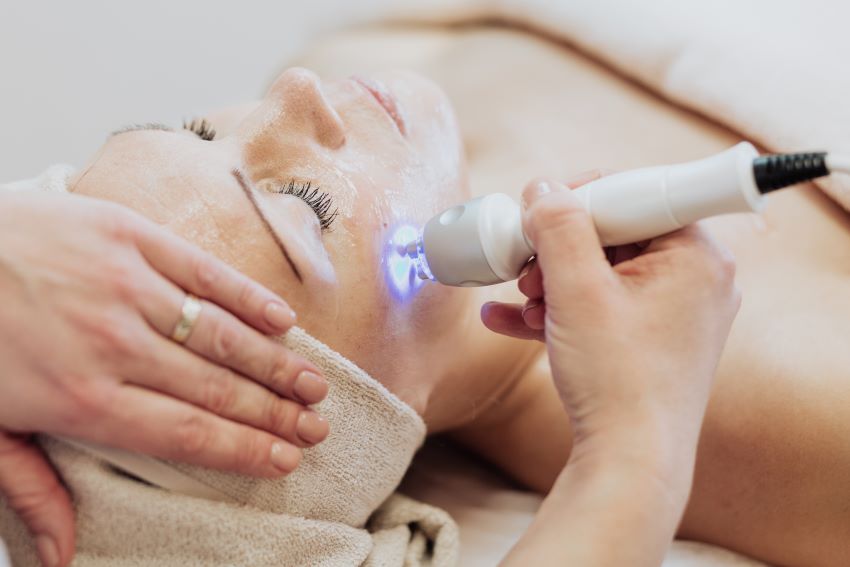
Treatment is a cornerstone of modern healthcare, encompassing the strategies, procedures, and interventions designed to address illness, injury, or medical conditions. A well-structured treatment plan is not only about eliminating symptoms but also improving quality of life, preventing complications, and supporting long-term wellness. The keyword “treatment” highlights the importance of evidence-based approaches, individualized care, and the integration of medical, psychological, and lifestyle strategies in achieving optimal outcomes.
Defining Treatment and Its Scope
Treatment refers to the management and care of a patient to combat disease or injury. It is a dynamic process that can include medications, surgical procedures, lifestyle modifications, physical therapies, and psychological support. Treatments are tailored to the patient’s condition, overall health, and goals, combining both curative and palliative strategies.
Goals of Treatment
- Symptom Relief: Alleviating pain, discomfort, or functional limitations
- Disease Management: Controlling the progression of chronic illnesses such as diabetes, hypertension, or arthritis
- Recovery and Rehabilitation: Restoring normal function after injury, surgery, or illness
- Preventive Care: Reducing the risk of recurrence or complications
- Psychosocial Support: Improving mental and emotional well-being during and after treatment
Types of Treatment
Treatment approaches vary depending on the nature, severity, and stage of a medical condition. They can be broadly classified into medical, surgical, physical, and complementary therapies.
Medical Treatment
Medical treatment primarily involves the use of medications, vaccines, or other pharmaceutical interventions to manage disease or infection.
Examples of Medical Treatments:
- Antibiotics for bacterial infections
- Antiviral medications for viral illnesses
- Chemotherapy for cancer management
- Antihypertensives to control blood pressure
Benefits:
- Direct targeting of disease mechanisms
- Rapid symptom relief in acute conditions
- Chronic disease control to prevent complications
Surgical Treatment
Surgical treatment involves operative procedures to remove, repair, or correct pathological conditions. Modern surgery is supported by advanced imaging, anesthesia, and minimally invasive techniques.
Common Surgical Procedures:
- Appendectomy for acute appendicitis
- Joint replacement for severe arthritis
- Cardiovascular surgeries for blocked arteries
- Cosmetic or reconstructive surgery for functional or aesthetic needs
Advantages:
- Immediate correction of structural issues
- Improved quality of life for chronic or disabling conditions
- Potentially curative in many cases
Physical and Rehabilitation Treatment
Physical treatments focus on restoring function, strength, and mobility. These approaches are especially important after injury, surgery, or for managing chronic musculoskeletal conditions.
Key Components:
- Physical therapy for mobility, strength, and balance
- Occupational therapy for daily living and adaptive skills
- Speech therapy for communication or swallowing issues
- Exercise programs tailored to recovery and prevention
Benefits:
- Enhances functional independence
- Reduces risk of secondary injuries
- Improves physical and psychological well-being
Complementary and Integrative Treatments
Complementary treatments combine conventional medicine with evidence-supported practices such as mindfulness, acupuncture, massage, or dietary interventions. These approaches often support symptom relief, stress management, and overall wellness.
Benefits:
- Reduces pain, inflammation, and stress
- Improves quality of life and emotional health
- Supports holistic patient-centered care
Principles of Effective Treatment
Successful treatment relies on a structured approach, integrating accurate diagnosis, individualized planning, and continuous monitoring.
Accurate Diagnosis
Treatment effectiveness depends on a precise understanding of the condition. Diagnostic methods include:
- Laboratory tests to measure biomarkers
- Imaging studies like MRI, CT scans, or X-rays
- Physical examinations and patient history assessments
- Genetic and molecular testing for personalized approaches
Individualized Treatment Planning
No two patients are identical. Treatment plans should consider:
- Age, gender, and lifestyle factors
- Severity and stage of the disease
- Coexisting medical conditions
- Patient preferences, values, and goals
Monitoring and Adjustment
Ongoing evaluation ensures that the treatment remains effective and safe. Monitoring includes:
- Tracking symptom improvement or progression
- Adjusting medication doses or therapy intensity
- Assessing side effects or adverse reactions
- Incorporating patient feedback into modifications
Chronic Disease Treatment
Managing chronic diseases such as diabetes, cardiovascular disease, or autoimmune conditions requires a multi-faceted treatment approach.
Key Strategies:
- Long-term medication adherence
- Nutritional and lifestyle interventions
- Regular monitoring of vital signs and biomarkers
- Patient education and self-management skills
Benefits:
- Prevents complications like heart attack, stroke, or organ damage
- Enhances daily functioning and quality of life
- Supports sustainable health outcomes
Mental Health Treatment
Treatment for mental health conditions addresses both biological and psychological components. Approaches often combine therapy, medication, and lifestyle support.
Common Approaches:
- Cognitive-behavioral therapy for anxiety, depression, and phobias
- Antidepressants, anxiolytics, or mood stabilizers
- Mindfulness and stress reduction programs
- Social support and counseling interventions
Benefits:
- Reduces symptoms and emotional distress
- Improves coping mechanisms and resilience
- Promotes long-term mental and emotional stability
Preventive and Palliative Treatments
Preventive Treatments
Preventive treatments aim to stop disease before it occurs or progresses. This includes vaccines, screenings, and lifestyle interventions.
Examples:
- Immunizations to prevent infections
- Colonoscopies or mammograms for early cancer detection
- Lifestyle counseling for obesity, smoking cessation, or heart health
Palliative Treatments
Palliative treatment focuses on improving quality of life for patients with serious or terminal illnesses. It addresses pain, discomfort, and emotional support needs.
Components:
- Pain management through medications or therapies
- Emotional and psychological support for patients and families
- Coordination of care for comfort and dignity
Integrating Treatment with Lifestyle
Optimal treatment outcomes are often achieved when medical interventions are combined with lifestyle adjustments. Nutrition, physical activity, sleep, and stress management enhance recovery, prevent recurrence, and support long-term health.
Tips for Integration:
- Follow treatment instructions while maintaining a balanced diet
- Engage in regular, safe physical activity recommended by a healthcare professional
- Prioritize sleep to aid healing and mental clarity
- Incorporate stress-reducing techniques such as mindfulness or relaxation exercises
Real-Life Impact of Treatment
Effective treatment transforms lives by alleviating symptoms, preventing complications, and restoring function. For example, a patient with type 2 diabetes may achieve blood sugar control through a combination of medication, diet, and exercise, reducing the risk of heart disease or neuropathy. Similarly, post-surgical rehabilitation after a joint replacement can restore mobility, independence, and overall quality of life.
Choosing the Right Treatment
Selecting an appropriate treatment plan involves careful consideration of multiple factors:
- Evidence-Based Effectiveness: Choose interventions supported by clinical research
- Safety Profile: Evaluate potential side effects and risks
- Patient-Centered Approach: Align treatment with personal values, goals, and preferences
- Accessibility and Feasibility: Consider availability, cost, and adherence potential
- Monitoring Capability: Ensure that follow-up and adjustments are feasible for optimal outcomes
FAQ About Treatment
How do I know if a treatment is working?
Improvement in symptoms, lab results, physical function, or mental well-being indicates effectiveness. Regular follow-ups with healthcare providers are essential.
Can treatments be combined?
Yes. Many conditions benefit from a multi-modal approach, such as medication combined with physical therapy or counseling. Coordination with healthcare professionals is critical to prevent interactions or side effects.
Are alternative treatments effective?
Evidence-based complementary treatments can enhance outcomes, especially for symptom management and quality of life. They should supplement, not replace, conventional medical treatment.
How long does treatment take to show results?
Timing varies by condition and treatment type. Acute illnesses may respond within days, while chronic conditions or rehabilitation may require weeks to months for measurable results.
Can lifestyle changes replace medical treatment?
Lifestyle adjustments support treatment but rarely replace medical intervention, especially for serious or chronic conditions. They are most effective when integrated with professional care.
What is the difference between curative and palliative treatment?
Curative treatment aims to eliminate disease, while palliative treatment focuses on symptom management and quality of life when cure is not possible.
Conclusion
Treatment is a dynamic, multifaceted process that combines medical interventions, lifestyle adjustments, and supportive care to improve health outcomes. Understanding the principles of effective treatment, from accurate diagnosis to ongoing monitoring, ensures that individuals receive personalized, safe, and evidence-based care. By integrating treatment with preventive strategies and holistic wellness practices, patients can achieve optimal health, functional recovery, and improved quality of life.
